Things to Do in Vatican City
Popes, Pieta, and Pizza, Europe's most powerful micro-state in 0.17 square miles
Top Things to Do in Vatican City
Find activities and tours you'll actually want to do. Book through our partners -- no booking fees.


Plan Your Trip
Essential guides for timing and budgeting
Climate Guide
Best times to visit based on weather and events
View guide →Day Trips
The best excursions and nearby destinations worth the journey
Explore day trips →Where to Stay
Best neighbourhoods, hotel picks, and booking tips
Find hotels →Travel Insurance
What's required, what coverage matters, and how to get a quote
Read guide →What to Pack
Climate-specific gear, essentials, and what to leave at home
See packing list →When Should You Visit Vatican City?
Tap a month for weather, crowds, and highlights
View full year-round climate guide →Your Guide to Vatican City
About Vatican City
Push the bronze doors beneath the curving colonnade and Rome's roar vanishes. Incense overpowers diesel. You are in St. Peter's Square at 7:30 AM, marble cool under your palm, watching Swiss Guards in plumed helmets unlock the basilica while bells from Santa Marta drift across the Tiber. Vatican City is no ordinary city.
It is 109 acres of compressed power where a cappuccino at the Vatican Museums cafeteria costs €2.30 ($2.50) and the Sistine Chapel ceiling still carries the faint scent of damp plaster and candle smoke. The Via della Conciliazione herds pilgrims toward Bernini's colonnade like living marble. Yet duck down the Passetto di Borgo and you meet the quiet back gate where cardinals emerge for twilight walks.
The trade-off is real. By 9 AM security lines coil three blocks. Dress codes reject shorts as swiftly as they reject hearts. Inside, Michelangelo's Pietà glows under LED spots. The Vatican Grottoes guard the bones of two millennia. Proof that the world's smallest sovereign state holds multitudes larger than empires.
Travel Tips
Transportation: Metro Line A to Ottaviano is €1.50 ($1.60) and leaves you ten minutes from St. Peter's. Faster than any taxi during Roman rush hour. The 64 bus from Termini costs the same but pickpockets treat it like a payroll. Keep your phone in a front pocket. Skip the hop-on-hop-off buses. They cannot enter Vatican territory, so you will walk the same distance anyway. Pro move: book the 7:30 AM museums entry and use the pedestrian tunnel from the metro exit. You will bypass the 9 AM crush entirely.
Money: Vatican City uses the euro. Yet ATMs inside the territory slap on €3-5 ($3.25-5.40) surcharges. Withdraw at Roman ATMs before crossing the border. Souvenir shops near St. Peter's accept cards. Street vendors outside do not. Keep €20 ($22) in small bills for water, postcards, and the €1 ($1.10) public bathrooms. Museum tickets bought online skip the line but cost €2 ($2.15) more. Worth it from April to October when queues stretch to three hours.
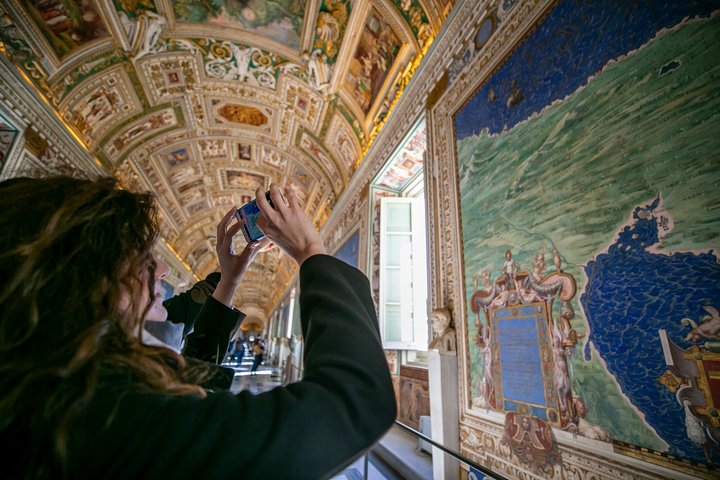
Cultural Respect: Shoulders and knees must be covered. Security guards turn away roughly 200 people daily for shorts or tank tops. Buy a €5 ($5.40) scarf from the Bangladeshi vendors outside. They will haggle down to €3 ($3.25). Photography is banned in the Sistine Chapel. Phones still click constantly. Guards shout "No foto!" every 30 seconds. Mass at St. Peter's is free and open to all. Arrive 45 minutes early for seats near the altar. You will hear the choir's Latin echo off Bernini's baldacchino.
Food Safety: The Vatican Museums cafeteria serves decent €4 ($4.30) pizza al taglio that will not wreck your stomach like the €2 ($2.15) slices from the tourist traps outside. Still, it is €8 ($8.60) for a sandwich. Better bet: walk ten minutes to the Prati district where Pizzarium Bonci sells wine-bar quality pizza for €3.50 ($3.80) and locals queue for supplì at 11 AM. Street vendors near the colonnade sell €1 ($1.10) bottles of water. Check the seal has not been broken. But it is usually legit.
When to Visit
April is Vatican City's sweet spot: 18-22°C (64-72°F) and hotel prices in Prati drop 25% from summer highs. May brings longer days but crowds increase 40% as cruise ships dock. Book Sistine Chapel tours for 8 AM or 4 PM to dodge the midday crush. June through August hits 30°C+ (86°F+) with humidity that makes marble radiate heat.
Afternoon closures force you to queue in full sun while guards hand out water bottles like disaster relief. September cools to 25°C (77°F) and the Pope resumes weekly audiences in the square. Arrive by 7 AM for seats. October's 20°C (68°F) weather overlaps with canonization ceremonies that book hotels months ahead. Expect 50% price jumps.
November through February runs 12-16°C (54-61°F) with rain that empties St. Peter's Square by noon. Good for photography, terrible for outdoor papal addresses. December sees Christmas midnight mass tickets distributed by lottery in October. January offers the year's lowest prices but museums close randomly for papal events.
March brings Easter crowds that make the Vatican feel like a subway platform. Book accommodations six months ahead or stay in Trastevere and metro in early.
More Ways to Experience Vatican City
Tours, day trips, and local experiences curated by on-the-ground operators.
Didn't see anything interesting yet?
Browse Viator's full catalog of tours, day trips, food experiences, and private guides in Vatican City.
See All Vatican City Tours on Viator